What Is Website Development? A Complete Guide
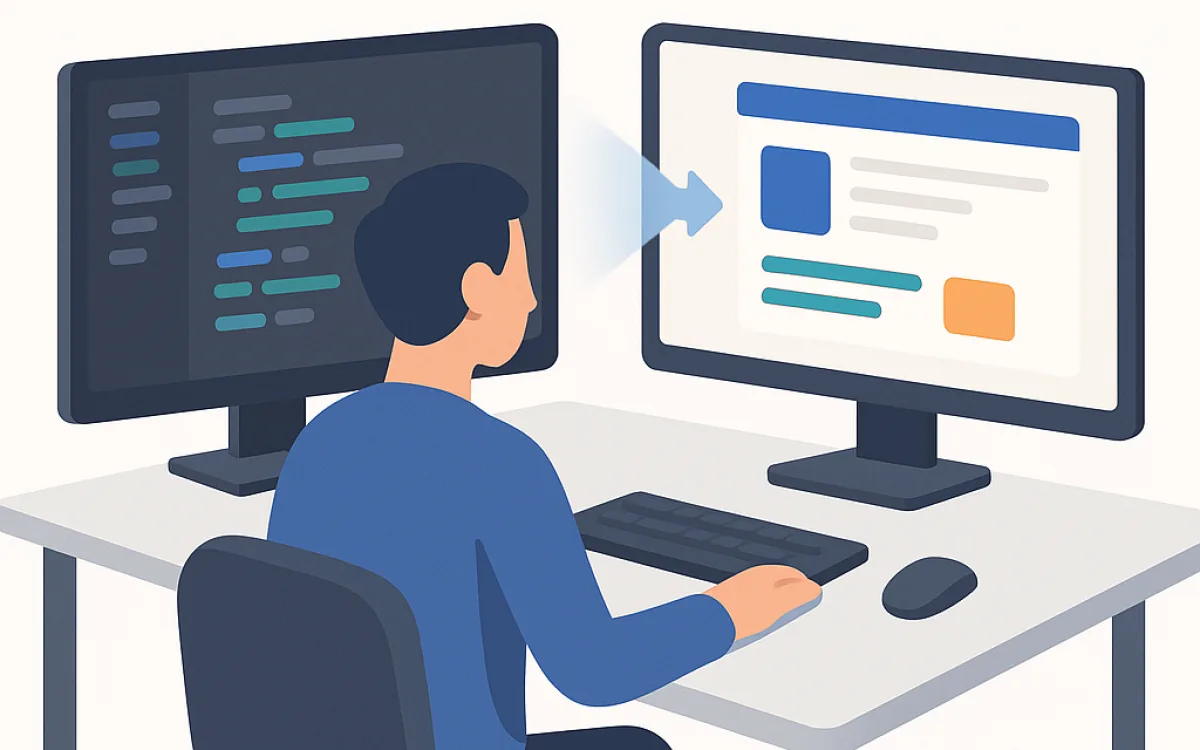
Website development is the work of turning a design and a set of requirements into a site that runs: the markup and styling a visitor sees, the server logic and data behind it, and the deployment and maintenance that keep it working.
This guide covers what the term includes, how it differs from web design, what the front-end and back-end split actually means in practice, and which parts a given project needs.
What the term covers#
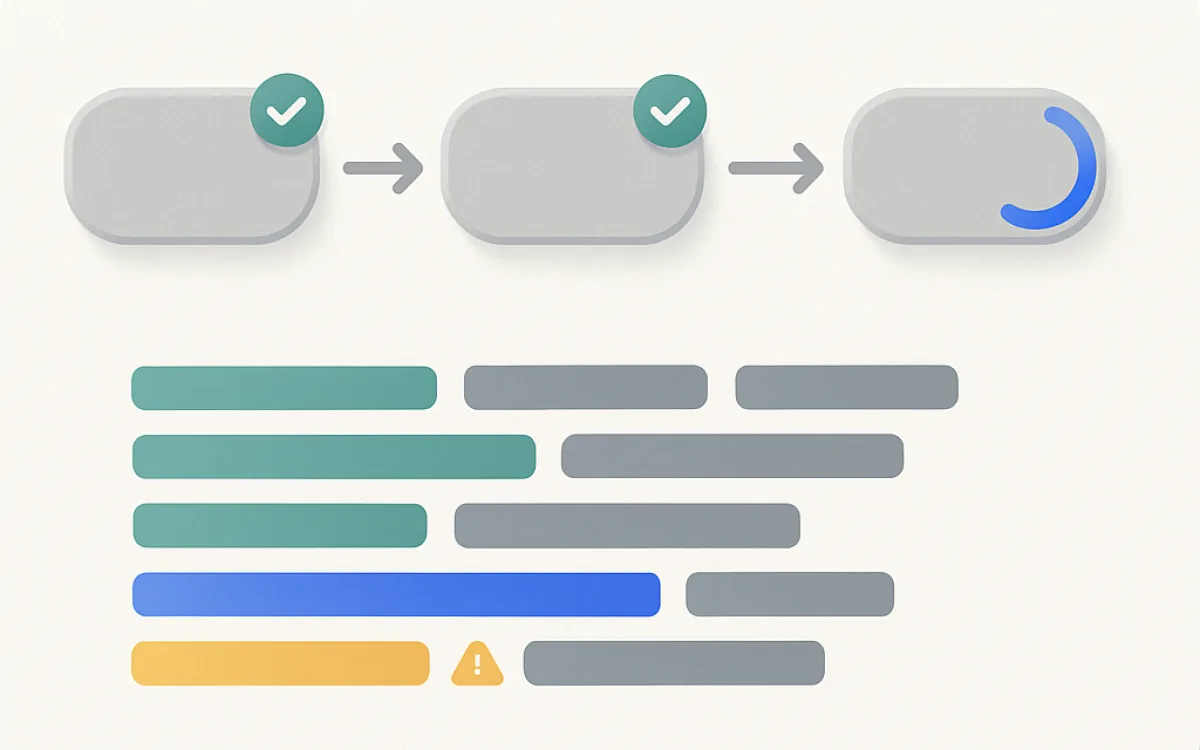
"Website development" is used for everything from installing a theme to building a bespoke application. What is consistent is the sequence: requirements become templates, templates become pages, pages get data, and the whole thing gets deployed, measured and maintained.
Design decides what it looks like and how it behaves. Development makes it exist, work at speed, survive real content and keep working after launch.
- Front-end: the HTML, CSS and JavaScript that runs in the visitor’s browser.
- Back-end: the server-side code, database and APIs that supply and store data.
- CMS work: templates and fields so non-developers can edit content safely.
- Integrations: payment, CRM, email, analytics, shipping, booking, ERP.
- Infrastructure: hosting, domains, certificates, CDN, backups, deployment.
- Quality: testing, performance, accessibility, security, monitoring.
Website development vs web design#
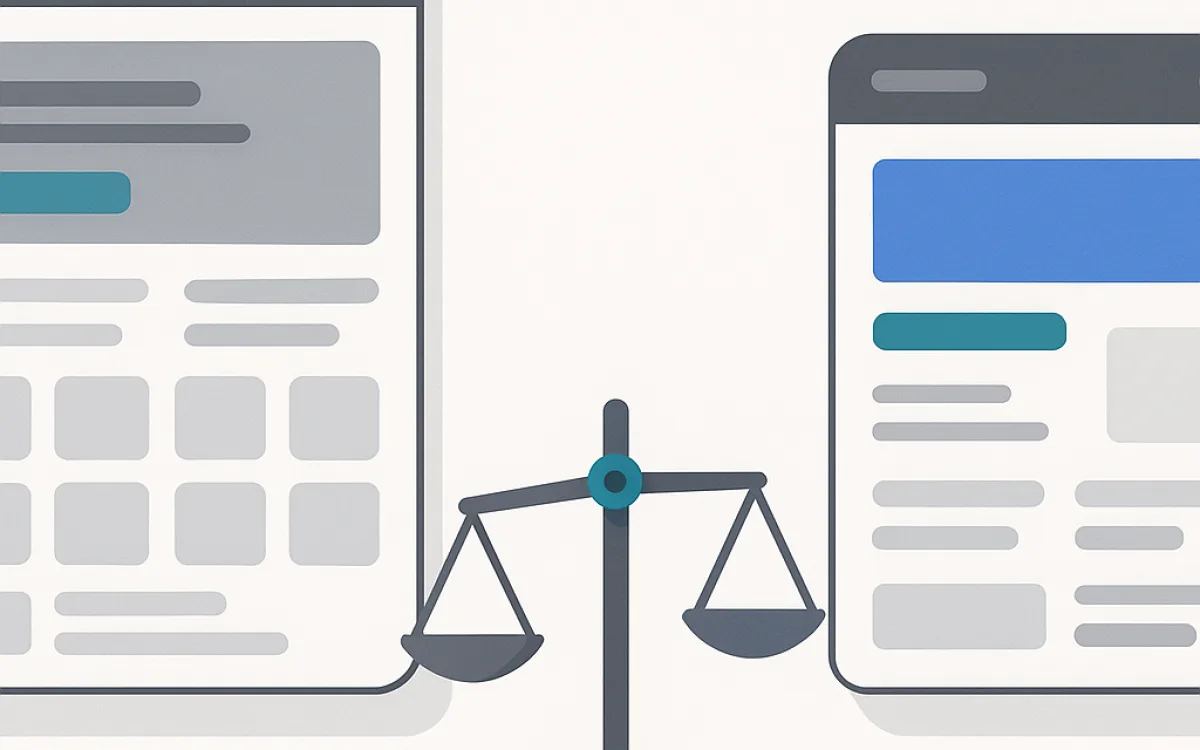
The two words are often quoted together and are genuinely different jobs. On small projects one person does both; on larger ones they are separate people, and knowing which you are buying prevents a common category of dispute.
| Web design | Website development | |
|---|---|---|
| Question | What should it look like and how should it behave? | How is it built so it works? |
| Output | Wireframes, visual designs, a component system | Working templates, data models, a deployed site |
| Main tools | Design software, prototyping tools | Code editors, version control, build tools, a CMS |
| Fails as | A site that is confusing or off-brand | A site that is slow, breaks, or cannot be edited |
| Changes cost | Minutes at wireframe stage | Hours to days once built |
If a quote does not distinguish them, ask what happens if you already have a design. The answer tells you which work is actually being priced.
Front-end and back-end in practice#
The split is about where code runs, not about seniority. Front-end code executes in the visitor's browser, so it deals with rendering, interaction, responsiveness and accessibility. Back-end code runs on a server, so it deals with data, authentication, business rules and integrations.
A marketing site can be almost entirely front-end with a CMS supplying content. A store or an application needs substantial back-end work because money, stock and accounts have rules that cannot be trusted to a browser.
| Site type | Front-end weight | Back-end weight |
|---|---|---|
| Brochure site on a CMS | Most of the work | Templates and fields only |
| Content site with search and filtering | High | Moderate — indexing and queries |
| Online store | High | High — catalogue, checkout, tax, fulfilment |
| Booking or scheduling site | Moderate | High — availability, conflicts, notifications |
| Web application | High | Very high — accounts, permissions, business logic |
What a website development project actually delivers#
Beyond "the site", these are the deliverables worth naming in the agreement — because their absence is only noticed when you need them, usually when the original developer is no longer available.
- The source code, in a repository you have access to.
- Access to hosting, domain and any third-party accounts, in your name.
- A documented way to deploy a change, not one person who knows how.
- A CMS or admin area with the content types your team actually edits.
- Backups that have been restored once, so you know they work.
- Documentation of the integrations and where their credentials live.
- Training or a handover session for whoever maintains the content.
The single most valuable clause in a website development contract is the one that says you own the code and the accounts. Everything else can be renegotiated; that one cannot, once the relationship ends.
Frequently asked questions
Is website development the same as web development?
They are used interchangeably in most contexts. "Web development" is slightly broader and often includes web applications and APIs that are not really websites; "website development" usually implies a site with pages and content. In a brief, the distinction that matters is not the phrase but whether the project has custom business logic — that is what changes the cost and the skill set.
Do I need a developer if I use a website builder?
Often not for a simple site, and that is a legitimate choice. You may still want one for the things builders do badly: performance, structured data, integrations with your existing systems, and migrating away later. A common pattern is to build it yourself and bring in a developer for a specific problem rather than for the whole site.
What is a full-stack developer?
Someone who works on both the front-end and the back-end. For small and mid-sized website projects a competent full-stack developer is usually the most efficient hire, because the handover cost between two specialists exceeds the depth benefit. On large projects the specialisation is worth it, because the depth required on each side grows faster than one person can cover.
How much of a website is code versus content?
By effort, content is usually the larger half and it is nearly always the schedule risk. A build can be finished and the site can still be weeks from launch because product descriptions, photographs and legal pages are not written. Plan the content with the same seriousness as the development milestones and the launch date becomes achievable.
what is website developmentwebsite developmentweb development explainedfront end back endwebsite development vs web designwebsite development basics